



Hair loss is an increasingly common concern, affecting both men and women across all age groups. While basic information is easily accessible, many individuals still have unanswered questions about the underlying causes, effective treatments, and sustainable long-term solutions.
At Midas Hair Clinic, patients benefit from scientifically backed, personalized care under the expert guidance of Dr. Madhukumar M.G. With over two decades of experience in cosmetic and hair transplant procedures, the clinic specializes in comprehensive hair restoration—combining medical therapies, advanced techniques such as FUE hair transplants, and structured long-term care plans to deliver natural and lasting results.

Female Hair Loss: Advanced Insights
1. Why does widening of the central hair parting area occur in women?
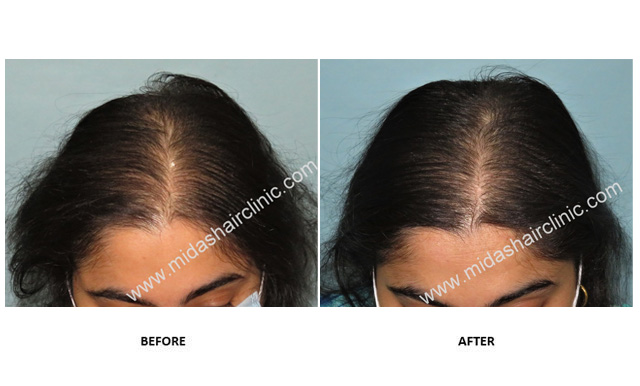
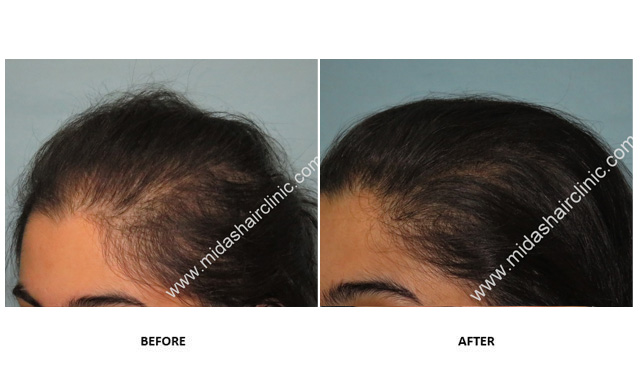
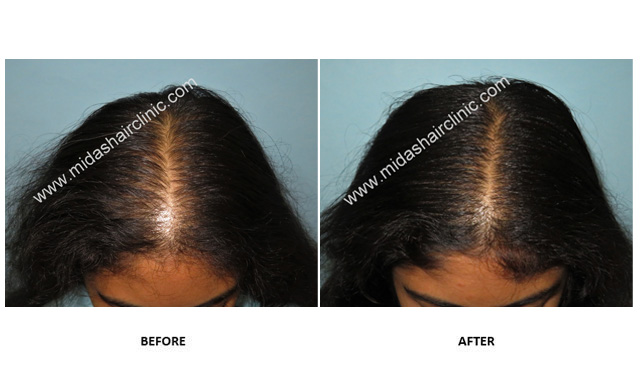
Central hair part widening (Christmas tree pattern) is a hallmark of Female Pattern Hair Loss. Instead of bald patches, women experience gradual thinning across the scalp.
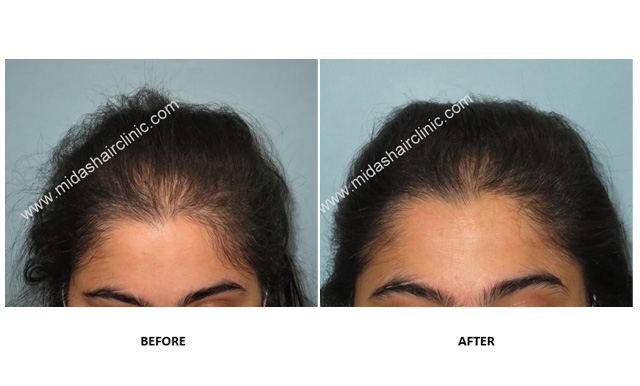
At Midas Hair Clinic, this is diagnosed early using scalp analysis and treated with medical and non-surgical therapies. When treatment is started early, partial regrowth and delay in progression can be achieved.
2. How do hormonal imbalances silently trigger hair thinning?
Conditions like Polycystic Ovary Syndrome increase androgen levels, leading to follicle shrinkage.
Similarly, thyroid disorders such as:
Hypothyroidism
Hyperthyroidism
And other hormonal disorders can disrupt hair growth cycles and cause excessive shedding.
3. Can frequent salon treatments contribute to hair damage?
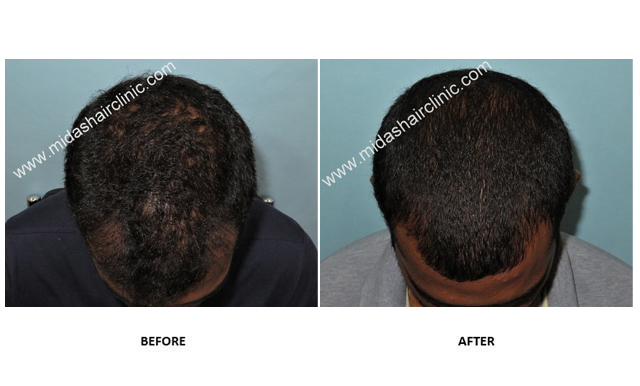
Frequent chemical treatments, straightening, and heat styling—common in metro cities—can weaken hair over time. This can make the hairs brittle and cause more hear breakage leading to volume loss.
Specialists recommend limiting such treatments and combining them with medical care to prevent long-term damage.
Tight hairstyles can weaken or damage hair follicles over time. This may lead to traction-related hair loss (Traction alopecia), which, if untreated, can become permanent. Early intervention and protective styling are key.
4. Why is iron, Vitamin and nutritional deficiencies strongly linked to female hair loss?
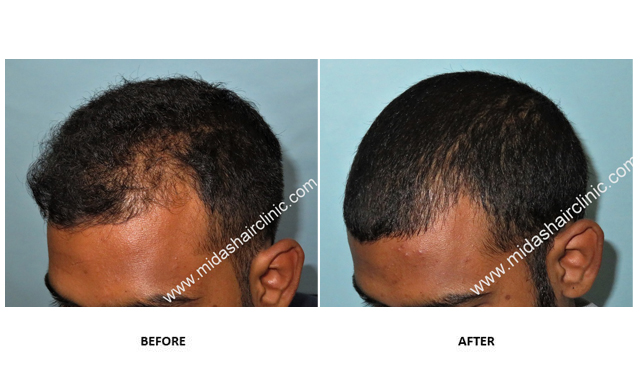
Iron deficiency reduces oxygen supply to hair follicles, pushing them into a resting phase. This leads to increased shedding and slower regrowth.
Protein deficiency, Vitamin and other nutritional deficiencies also cause hair fall and hair loss. At Midas Hair Clinic, blood tests are often recommended to identify such underlying deficiencies before starting treatment.
5. Is female hair loss treatable without surgery?
Yes. Most female hair loss cases can be managed with:
Medical therapy
Nutritional correction
PRP (Platelet-Rich Plasma) or GFC
Low-Level Laser Therapy
Surgery is considered only in selective cases where hair density is significantly reduced
238 total views, 2 views today


